A lot of people run into currency trading by accident. Maybe a news article mentions exchange rates. Maybe someone talks about trading currencies online. And suddenly the topic appears everywhere.
Then curiosity kicks in.
People start looking up forex trading basics trying to figure out what the market actually is. At first it feels complicated. Charts, numbers moving constantly, different currencies paired together.
But once the idea settles in, the core concept is surprisingly simple.
Currencies from different countries constantly change in value compared with each other. The forex market is simply the system where those changes happen through buying and selling activity.
Nothing magical about it. Just a very large global marketplace.
Currency pairs are the starting point for everything
One thing beginners notice quickly is that currencies always appear in pairs. That is because a currency has no independent price.
It only makes sense when compared with another currency.
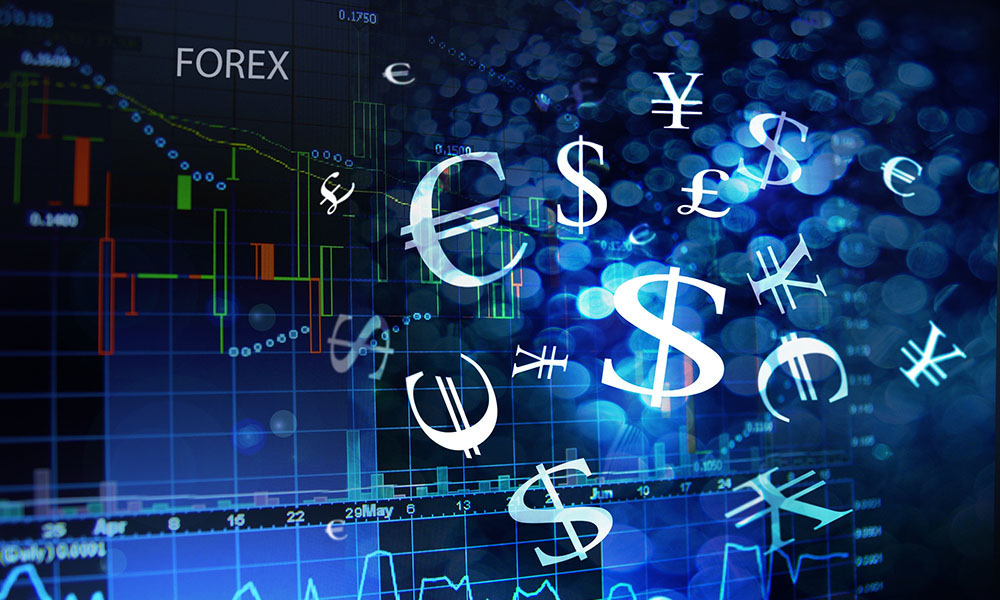
For instance, traders may look at the euro against the US dollar, or sometimes the British pound compared with the Japanese yen.
The number shown on the screen is actually very simple. It just tells how much of one currency is required to purchase the other. This relationship changes constantly because demand changes.
Sometimes gradually. Sometimes fast enough to surprise people watching the chart.
Economic signals push currencies in different directions
Currency movement often reflects how investors see different economies performing. If investors believe one economy is becoming stronger, demand for that country’s currency may increase. That increased demand can push the value higher relative to other currencies.
A few common influences usually shape those expectations:
- Interest rate changes from central banks
- Inflation trends within different economies
- Employment data and economic growth reports
- Government financial policy decisions
- International trade activity
Still, the market does not always wait for confirmed results.
Traders sometimes react to expectations before the real economic changes even appear.
Large institutions move most of the market
Retail traders often receive the most attention online, but they are only a small piece of the overall forex ecosystem.
The majority of trading volume comes from large institutions.
These participants usually include:
- Global commercial banks
- Central banks controlling national reserves
- Multinational corporations exchanging trade payments
- Hedge funds adjusting global investment strategies
Companies involved in international trade constantly exchange currencies while paying suppliers or receiving payments from other countries.
Banks handle enormous currency flows as part of global finance operations.
Retail traders simply participate inside that same system.
Understanding the structure before focusing on strategies
Anyone who spends a little time learning forex trading basics eventually notices something. The market is not moving randomly. It tends to reflect how traders interpret what is happening in the global economy.
Interest rates matter. Inflation matters. Economic growth numbers come in, political news appears, and investors start adjusting how they feel about different currencies.
Those opinions translate directly into exchange rates.
For beginners, understanding this structure often matters more than trying to predict the next price movement immediately. Because once the framework becomes clearer, the market starts making a little more sense. Not completely predictable. But at least less mysterious.