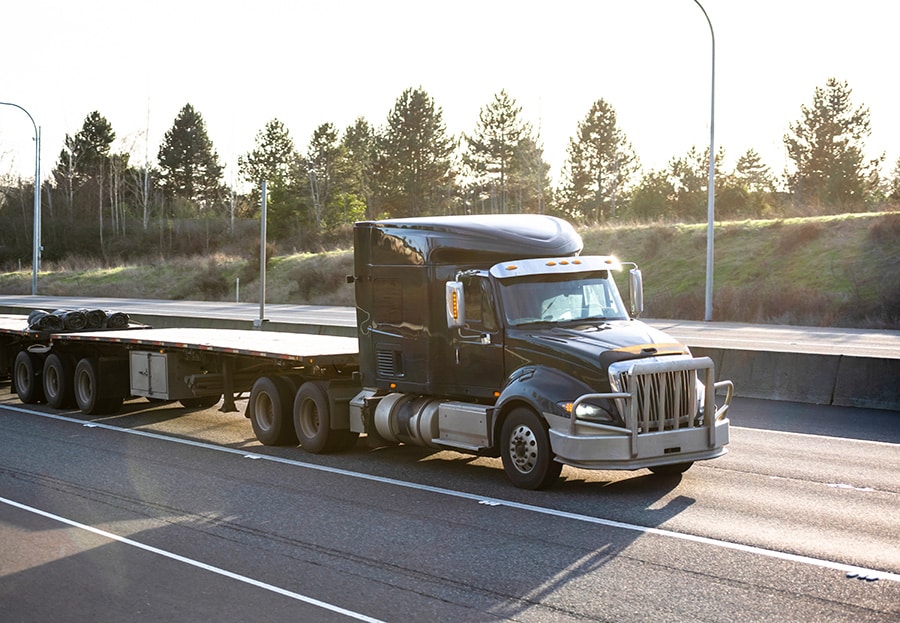
Imagine arranging car delivery for moving day, then learning that the driver needs you to meet several streets away. That may be a practical solution, but it changes your plans if you are supervising movers or have no way to reach the vehicle. Before booking door-to-door car shipping, translate the service label into specific arrangements: where the truck will stop, who will attend, and what happens if access changes.
What Does Door-to-Door Include?
The service generally starts with your requested pickup and delivery addresses. However, those addresses need to be accessible to the assigned transporter. A nearby handoff may be necessary when the truck cannot safely approach, load, turn, or leave.
The door-to-door guide on naviautotransport.com describes this distinction, including obstacles such as narrow streets, gated entrances, and overhead clearance. The useful question is not simply whether a company offers door-to-door service, but how it will handle your two particular locations.
Has Anyone Reviewed Both Addresses?
Provide complete addresses before confirming the booking. Mention apartment access, private roads, steep entrances, parking congestion, and community restrictions. Check the destination even if the collection address looks straightforward.
Ask whether the access review is preliminary or whether the assigned carrier has assessed the location. If you are buying a vehicle remotely, have the seller describe its collection point. A map pin identifies the property; it does not explain the available loading space.
What Does “Nearby” Mean for This Shipment?
Request a proposed meeting area if the address appears unsuitable. Avoid relying on a vague assurance that the driver will stop somewhere close. Confirm the exact location when available, which entrance to use, and who will establish permission for loading.
Explain any limitations on your side. You might be unable to drive the car, have mobility needs, or be traveling when it arrives. Discuss those circumstances before booking so the proposed handoff remains workable. Do not assume the driver can arrange a separate transfer to your driveway.
Could the Location Change the Price?
Ask whether the quoted total accounts for the access information you supplied. Request written clarification of potential charges for additional handling, a changed address, waiting, or a missed handoff.
Keep your own travel expenses separate. A ride to collect the car or transportation home after pickup may be inexpensive, but it still belongs in the budget. If another service is needed to move a nonrunning vehicle to the loading point, establish who arranges and pays for it.
Who Handles a Last-Minute Change?
Construction, occupied loading areas, or other unexpected conditions may require a revised plan. Before departure, make sure you know:
- Who will contact you with arrival updates.
- How much notice to expect before the handoff.
- Who can authorize an alternative meeting location.
- How to nominate another person to receive the car.
- What happens if the new arrangement is not feasible.
Keep the coordinator’s number available as well as the driver’s. Confirm changes directly instead of driving to an unverified location or leaving the vehicle unattended.
Allow Time to Complete the Handoff
Wherever the truck stops, leave time for a condition inspection, photographs, and paperwork. Bring the pickup record when receiving the vehicle and document any differences before signing.
A useful booking confirmation connects the service promise to an actual handoff plan. Once location, access, responsibilities, and possible charges are clear, you can organize your moving day around what the carrier can realistically provide.Why “Door-to-Door” Doesn’t Always Mean Your Driveway—and What to Ask Before Booking